










Table of contents
Understanding Adaptogens
Adaptogens work in your body by adapting to your environment, promoting overall balance and stability. Adaptogens work by assisting key support systems such as the nervous, endocrinem, cardiovascular, and immune system–enhancing your body’s ability to maintain equilibrium.
Through this broad support, adaptogens can aid essential functions like sleep, focus, circulation, and immune response. Helping you feel more centered and resilient in changing conditions.
While adaptogens work similar to bring your body and mind to balance, there are different types of adaptogens. Some work to bring your body a boost to homeostasis, while others work to relax your body to comfort. Two ingredients that are powerful adaptogens that work to encourage over relaxation and serenity are Ashwagandha and Tulsi, Holy Basil. Learn how these two ingredients differ in their performance and which would be best for your next order.
Benefits
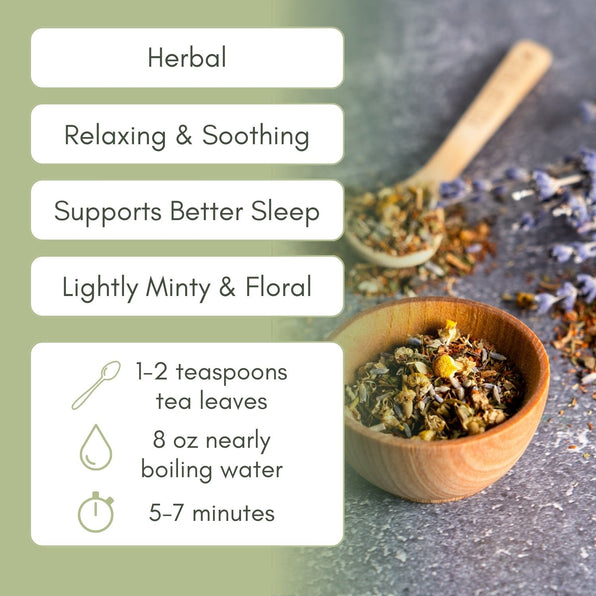
Ashwagandha Root is a powerful adaptogen that helps reduce stress, lower blood sugar, and improve focus. This earthy-flavored tea supports overall health and wellness, making it an ideal addition to your daily routine.
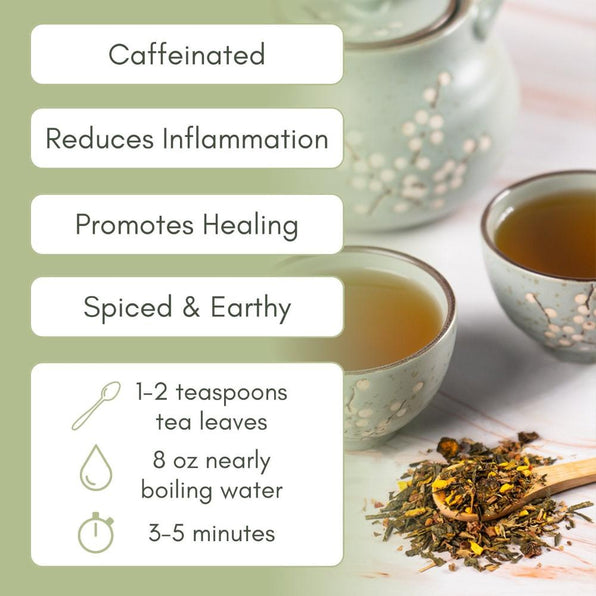
Holy Basil is believed to have stress-relieving and calming properties and is a popular choice for relaxation and meditation. Holy basil is helpful in opening airways and clearing sinuses. The anti-microbial and anti-viral activities can help reduce the duration of cold and flu symptoms as well.


Flavor
- Ashwagandha root tea has a distinctive, earthy flavor that is often described as slightly bitter and musky, with hints of wood and soil. The taste can be somewhat pungent, reflecting its adaptogenic roots, and it leaves a warming, grounding aftertaste. Some people compare its flavor to that of unsweetened ginseng or horseradish, though milder. When blended with honey, cinnamon, or milk, the bitterness softens, creating a more balanced and soothing drink.
- Holy basil tea offers a bright, aromatic, and slightly spicy flavor with sweet and peppery undertones. Its taste is complex—combining hints of clove, licorice, and mint—with a refreshing herbal finish. The tea carries a natural sweetness that balances its spice, making it both invigorating and calming. Depending on the variety, such as Rama, Krishna, or Vana Tulsi, the flavor can range from delicate and floral to robust and peppery, but always deeply aromatic and comforting.
Appearance

When to Choose
Other Adaptogens
 Organic Turmeric$8.95
 Organic Schisandra Berries$24.95
 Organic Licorice Root$9.95
 Organic Goji Berries$24.95
 Organic Shatavari$18.95
 Organic Gotu Kola$8.95
In addition to ashwagandha and holy basil, the Organic Adaptogen Tea blend features standout botanicals such as Goji Berries, Schisandra Berries, Shatavari Root and Gotu Kola, each selected for their unique adaptogenic support.
Goji Berries are regarded for nutrient density and immune-supporting effects. Schisandra encourages liver health and mental clarity. Shatavari helps support hormonal balance and stress resilience. Gotu Kola is valued for cognitive enhancement and circulation support. Together these herbs broaden the adaptogen spectrum in one soothing, caffeine-free infusion designed for holistic balance.
How do adaptogens work?
Adaptogens, the active ingredient in certain plants, work by increasing or decreasing the chemical reactions within your body to bring balance, or homeostasis.
Should I ask my physician if adaptogens are the right step?
Yes, we always recommend reaching out to your physician prior to trying a new herb or ingredient especially if you have any pre-existing health conditions.
 Tea of the Week | Organic Adaptogen Tea ✨Read more
 Schisandra Berry: Benefits of This Powerful AdaptogenRead more
Sources List
Cleveland Clinic. “Adaptogens.” Cleveland Clinic, 10 Feb. 2022, my.clevelandclinic.org/health/drugs/22361-adaptogens.
WebMD. “Holy Basil Tea: Health Benefits.” WebMD, 2023, https://www.webmd.com/diet/holy-basil-tea-health-benefits.
Natural Living Online. “Ashwagandha Tea Benefits.” Natural Living Online, 2023, https://naturallivingonline.com/tea/ashwagandha-tea-benefits.
Del Turco, Lauren. “The Best And Worst Times of Day to Take Different Adaptogens.” What’s Good, The Vitamin Shoppe, Mar. 6 2017, whatsgood.vitaminshoppe.com/best-time-to-take-adaptogens/.


